How to Stay Full While Cutting
Manage hunger during a calorie deficit with filling meals, fiber, protein, and a plan you can adjust when hunger stays high.
5 min read

To stay fuller while cutting, build meals around vegetables or fruit, a source of protein, and fiber-rich foods. If you are hungry much of the day, changing the meals or the size of the deficit may help more than trying to ignore hunger.
A calorie deficit means eating less energy than your body uses. It does not mean every meal must be small. The useful question is whether your eating pattern meets your nutritional needs and is manageable for you.
Make room for foods with more volume
A large portion is not always a high-calorie portion. Foods with more water, such as many vegetables and fruits, can add volume to a meal. Research on food energy density suggests that the amount of food on the plate can affect how much people eat, but it does not show that one ingredient will keep everyone full.
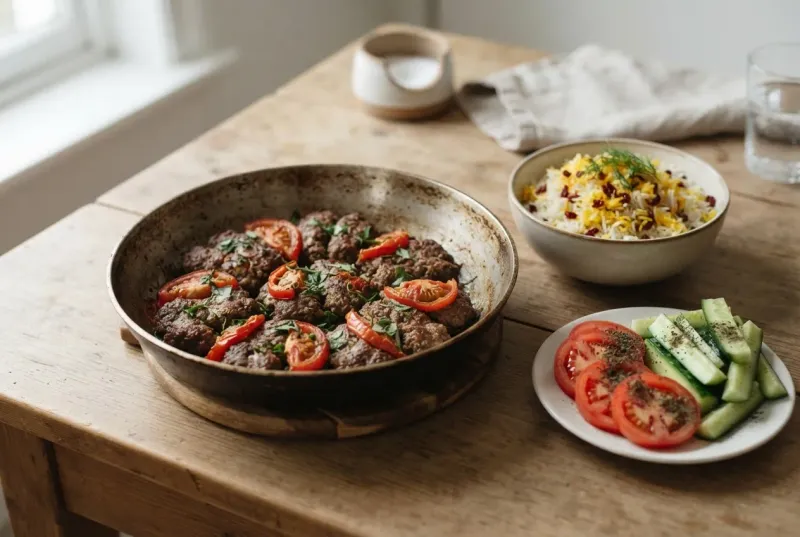
Try adding a generous portion of cucumber, tomatoes, leafy greens, or cooked vegetables to a meal you already enjoy. Use them alongside the rest of the meal, not as a replacement for it. A bowl of vegetables alone may leave you looking for food soon afterward.
Preparation matters. Oil, creamy dressings, and other additions change the energy in a dish. You do not need to avoid them; just account for them when you decide what makes a meal satisfying and practical.
Fruit can also make a useful snack or part of a meal. Choose whole fruit when you want the fiber that juice does not provide in the same way. The World Health Organization's healthy diet guidance favors fruit, vegetables, legumes, and whole grains as parts of a healthy diet.
Give fiber a place in each day
Fiber is one reason foods such as beans, lentils, oats, whole grains, vegetables, and fruit can be filling. A review of dietary fiber and body weight describes possible effects on fullness, but it does not establish that adding fiber alone will produce weight loss.
You can start with one change that fits a meal you already eat:
Add beans or lentils to a soup or rice dish.
Choose fruit with a meal or snack.
Add vegetables to a sandwich or plate of food.
Swap a refined grain for a whole-grain option you like.
Increase fiber gradually if your current intake is low. A sudden large increase can be uncomfortable. Drinking enough fluid is also important when you add fiber. If a particular food causes discomfort, you can try a smaller serving or a different fiber-rich food rather than forcing it.
Include protein without making it the whole meal
Protein-containing foods can contribute to fullness. A review of protein and satiety discusses this effect, but your response to a meal also depends on its other foods and on how much you eat. There is no need to turn every meal into mostly protein.
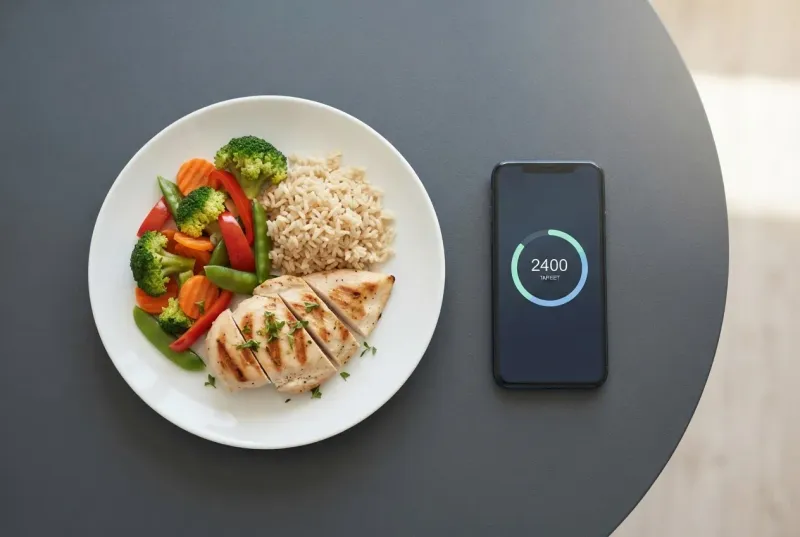
Examples include eggs, yogurt, beans, lentils, fish, tofu, and poultry. Skinless chicken thigh is one catalogue option. It can be the protein part of a meal with vegetables and a fiber-rich side; it is not a substitute for those foods.
24 g
Protein
0 g
Carbs
3 g
Fat
0 g
Fiber
If you finish a protein food and still feel hungry, look at the whole plate. You may want more vegetables, a satisfying carbohydrate food, or simply a larger meal. The aim is a pattern you can continue, not a rule that makes meals difficult to enjoy.
Plan for the times hunger is hardest
Notice when hunger tends to interrupt your day. Is lunch too small for the time until dinner? Do you start preparing dinner when you are already very hungry? Those observations give you something specific to change.
You could move part of a meal to the time you need it, plan a snack, or make a meal more substantial. For example, fruit with yogurt is different from fruit alone because it adds a protein-containing food. Beans with vegetables and a grain make a different meal from a plate of vegetables alone.
Meal timing is a tool, not a requirement. The evidence here does not identify one schedule that keeps everyone full. You can choose times that suit your work, sleep, and appetite rather than following someone else's clock.
Check the deficit, not just your willpower
If you regularly finish meals hungry, think about how much you are asking the deficit to do. A food plan still needs to provide enough nourishment and be possible to follow. Hunger that occupies much of your day is useful feedback, not a failure.
Consider whether you have removed entire meals or food groups to reach a target. Rebuilding balanced meals may be more helpful than searching for a single low-calorie ingredient. The Dietary Guidelines for Americans describes healthy eating patterns across food groups, rather than relying on one food to meet nutritional needs.
If your weight has stopped changing, do not assume the answer is to eat less immediately. What to do when weight loss stalls covers how to assess a stall before changing your plan.
When to see a professional
Do not start or continue a calorie deficit without individual advice if you are pregnant or breastfeeding, a child or older adult, have a medical condition, take medication that affects eating, or have an eating disorder or a history of one.
Speak with a qualified health professional if hunger feels persistent or distressing, you feel unwell, or your eating plan is becoming hard to manage. General strategies for fullness cannot tell you whether a calorie target is appropriate for your health.
Sources
The references behind the claims in this article.
- www.who.int
World Health Organization healthy diet guidance favors fruit, vegetables, legumes, and whole grains and distinguishes whole fruit from fruit juice.
- www.dietaryguidelines.gov
The Dietary Guidelines for Americans, 2020–2025, describes healthy eating patterns across food groups and nutritional needs across life stages.
- pubmed.ncbi.nlm.nih.gov
verify: Bell and colleagues, “Energy density of foods affects energy intake in normal-weight women” (1998). The experimental study supports the limited claim that food energy density can affect intake; it does not establish that one food keeps everyone full.
- www.niddk.nih.gov
National Institute of Diabetes and Digestive and Kidney Diseases guidance advises adding fiber gradually and drinking fluids when increasing fiber.
- www.niddk.nih.gov
National Institute of Diabetes and Digestive and Kidney Diseases guidance supports choosing an eating plan that meets nutritional needs and can be maintained, rather than relying on extreme restriction.
- www.nimh.nih.gov
National Institute of Mental Health information supports seeking professional help when eating behavior is distressing or an eating disorder is present.
Put it into your week
Build a free week of workouts and meals around your goal. No account needed.